

Did you know that Alabama is the fourth rainiest state in the U.S.? If you live here, you're probably not too surprised. While our weather is quick to go from stormy to sunny, we always find our way back to thunder, which is fine if you love dancing in the rain and thrive in humidity, but if you enjoy having a pest-free house, rain is a sure enemy.
Pest activity increases across North Alabama after heavy rain. Here's why this happens, which pests you're most likely to encounter after a storm, and what you can do to keep pests away.
Why Does Rain Make Bugs Come Inside?
When bugs invade your home after a rainstorm, it's not necessarily because they want to move into your house permanently. It's because the sudden downpour has forced them to seek drier, higher ground.
In Alabama, our combination of warm weather, high humidity, and consistent rainfall encourages pests to find their way indoors. Any opening, a broken screen, or a crack or gap around a door or foundation, can give them the access they need to keep out of the rain, stay dry, and enjoy a stress-free environment.
Common Alabama Bugs You May See After Heavy Rain
Not every pest responds to rain in the same way. But there are a few that North Alabama homeowners may notice more often after a storm.
Ants
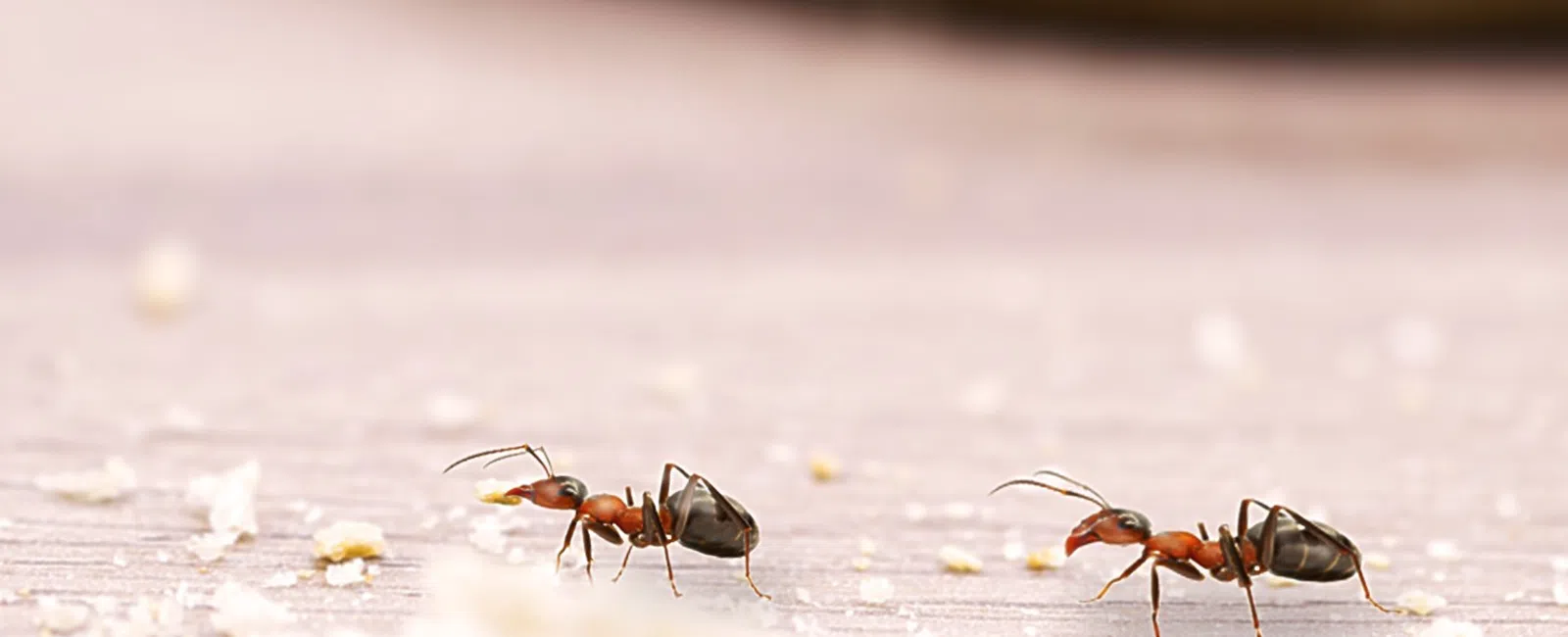
Ants are always looking for an easy meal, but a heavy rainstorm will send them straight to your doorstep. Many common ant species build their nests in soil. And when the ground becomes saturated after a recent storm, they relocate.
Ants most often appear around:
- Kitchen counters and cabinets
- Sinks and plumbing
- Bathrooms
- Windowsills
- Door frames
- Baseboards
- Garages
If you suddenly see an ant trail after several rainy days, take a look at where they're entering. The trail may lead you toward a small gap that needs sealing.
Cockroaches
We'll come right out and say it: Cockroaches are gross. Nobody enjoys finding a cockroach in their house, but a storm will send them straight inside.
These bugs spend their time outdoors around mulch, leaves, drains, wood piles, and other damp or protected areas. And when their surroundings become drenched, they're likely to move inside.
Spiders
Rain affects spiders indirectly. When insects relocate after a storm, spiders follow their food, which often leads them right to your home.
Mosquitoes
Mosquitoes aren't usually coming inside to escape saturated soil, but rainy weather can create another problem: standing water. Buckets, clogged gutters, toys, plant saucers, low areas in the yard, tarps, and other objects can collect enough water for mosquitoes to reproduce. Across North Alabama, our warm, humid weather can make those water sources especially important to address during mosquito season (early spring into late fall).
Other Occasional Invaders
Heavy rain can also disturb insects and other small pests living under mulch, leaves, landscaping materials, rocks, logs, and other protected outdoor areas. Some of these bugs may find their way into garages, crawl spaces, basements, or the main living areas of your home.
How Are Bugs Getting Into Your Alabama Home?
It doesn't take a wide-open door for pests to find their way inside (although that certainly makes the job easier). Most homes have plenty of small gaps that are easy to ignore or overlook until pests get inside.
After heavy rain, pests looking for shelter could take advantage of openings around:
- Exterior doors
- Garage doors
- Window frames
- Foundations
- Crawl-space openings
- Plumbing and utility penetrations
- Siding
- Rooflines and eaves
- Dryer and exhaust vents
Homes with crawl spaces deserve particular attention. These areas can provide the moisture, darkness, and shelter that many pests prefer, especially when drainage problems or humid conditions keep the area damp.
What Can You Do After Heavy Rain?
You can't control Alabama weather, but you can make your home less inviting when pests look for somewhere dry.
1. Check Your Drainage
Look for places where water collects near your foundation after a storm. Gutters and downspouts should move water away from the house, and drainage issues that leave the soil around your foundation consistently wet may need attention.
2. Empty Standing Water
After the rain stops, check your yard for water collecting in:
- Buckets
- Flowerpots and saucers
- Children's toys
- Wheelbarrows
- Tarps
- Outdoor furniture
- Pet bowls
- Clogged gutters
If it can hold water, it's worth checking and emptying.
3. Seal Easy Entry Points
Take a walk around the exterior of your home. Check weatherstripping around doors, gaps around utility lines, damaged screens, foundation openings, and other small spaces pests could sneak through.
Give your garage a more thorough lookover. It's one of the easiest transition points between the outdoors and your living space.
4. Keep Mulch and Debris in Check
Mulch, leaf litter, stacked wood, and dense vegetation can provide insects with cool, protected places to hide. Keep landscaping maintained and avoid allowing piles of leaves, wood, or other organic material to accumulate directly against the house.
5. Pay Attention to Moisture Indoors
A dripping pipe or a damp area under the sink may not seem like a big deal, but moisture can make it more attractive to certain pests. Check beneath sinks, around appliances, in bathrooms, and anywhere else plumbing problems might be creating excess moisture.
Does Seeing Bugs After Rain Mean You Have an Infestation?
Not necessarily! Seeing a few pests right after a major storm can simply mean the rain pushed them inside your home.
If the activity disappears after conditions dry out, you should be okay. If you're still seeing pests days or weeks later (or they reappear after every rainfall), there may be an established problem or an entry point that needs to be addressed.
When Should You Call a Pest Control Professional?
If bugs keep coming back despite your best efforts, professional pest control can help you find out why. A good pest control professional identifies the pest and helps reduce future pest activity. That long-term approach is especially useful in Alabama.
Local Pest Control for North Alabama Homes
At Alder Pest Control, we know that a North Alabama rainstorm can change pest activity in a hurry. Our technicians work throughout communities like Huntsville, Madison, Harvest, Athens, and Decatur, so we see the same seasonal pest problems every day.
If ants start marching through the kitchen after a week of rain or cockroaches keep appearing in the garage, our team can inspect your home, figure out where the activity is coming from, and recommend a practical treatment plan.
If rainy Alabama weather has brought unwanted visitors indoors, contact Alder Pest Control to schedule an inspection today!
