

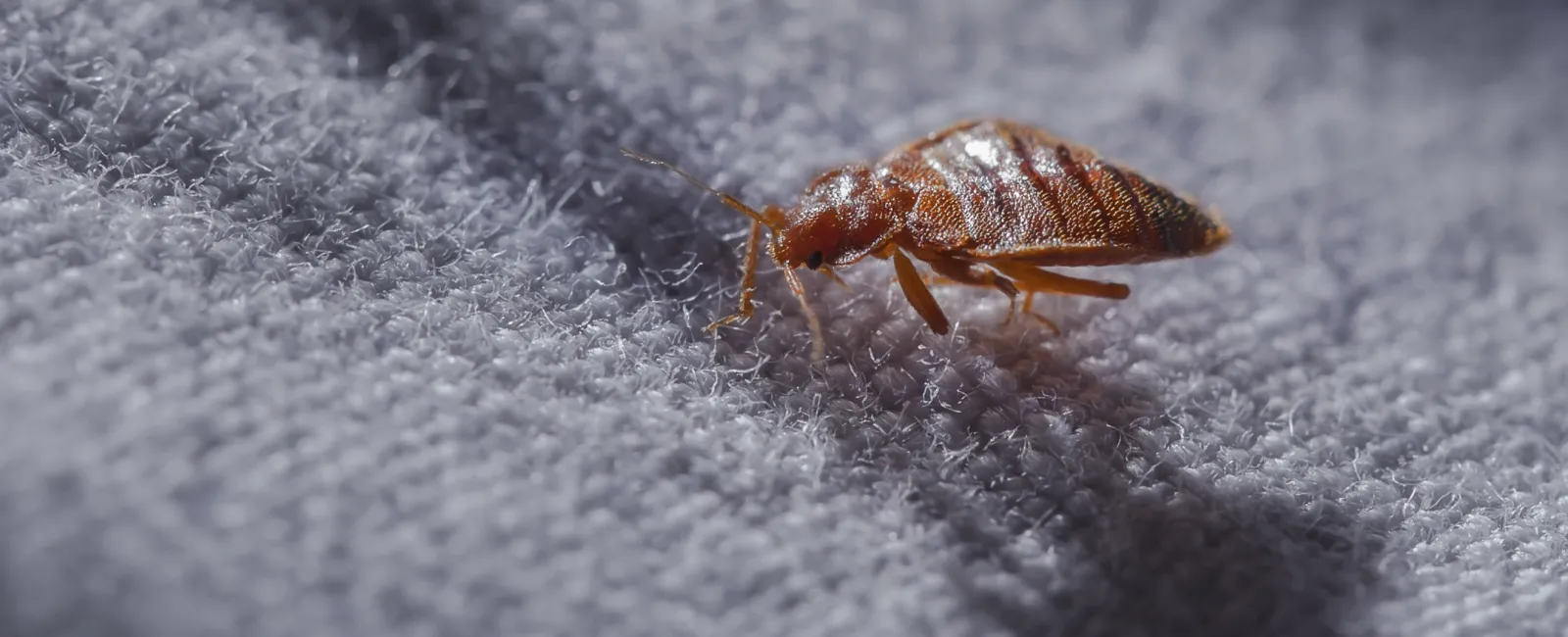
Bed bugs are tiny, persistent pests that no homeowner wants to deal with. Even though they don't spread disease, they can cause a lot of grief. From itchy bed bug bites to sleepless nights, bed bugs are among the worst pests to invade your property. The good news? With the right habits and some regular awareness, you can avoid bed bugs and prevent them from ever gaining a foothold in your home.
What Attracts Bed Bugs?
Bed bugs feed on blood and prefer warm, hidden spaces close to where people sleep or relax. These pests are about the size of an apple seed, so they're hard to spot. Combine these factors with their ability to wait long periods between feedings, and these pests turn into one of the hardest bugs to eliminate. That's why prevention is so important—once bed bugs are settled into their favorite hiding spots, getting rid of them takes time, persistence, and often the help of a pest control professional.
Bed Bug Identification
When you're trying to find bed bugs in your home, look for more than just live bugs. Check for tiny, pale eggs, shed skins, and small reddish-brown spots or blood stains on bedding, mattress encasements, and walls. A musty, sweet odor around beds or other furniture can also signal a bed bug infestation.
To prevent bed bugs from spreading, make it a habit to regularly inspect your home—especially after traveling or bringing in secondhand furniture. Conduct a careful inspection of luggage, clothing, and any items that may have been in infested areas. Pay special attention to mattress seams, box springs, bed frames, and other common hiding spots.
How Bed Bugs Spread
Bed bugs hitchhike on dirty clothes, clean clothes, luggage, and secondhand upholstered furniture. They can move through other rooms, living spaces, and even electrical outlets once inside a home.
A few simple habits can dramatically reduce the risk of a bed bug infestation:
1. Be Careful While Traveling
Hotels are one of the most common locations where people pick up bed bugs. Before settling into a hotel room, always place luggage on the luggage rack, not the floor or bed. Then, carefully inspect the room:
Pull back blankets and check the mattress and box spring
Look along mattress seams, bed legs, and corners
Watch for small dark spots, shed skins, or a faint musty smell
If you see any signs of live bed bugs, request a different room or move to a different hotel.
After returning from a trip, be sure to:
Check luggage thoroughly
Place travel clothing in a plastic bag until you can wash it
Use hot water to wash clothing and bedding
Heat-dry items on the hottest setting your fabrics allow
2. Protect Your Bedroom
Since bed bugs thrive in sleeping areas, small adjustments can make your home less welcoming: Inspect and treat all parts of your bed, including the bed frame, for signs of bed bugs such as eggs, fecal spots, and live bugs.
Use mattress encasements
EPA-approved mattress covers and encasements seal off hiding places in mattresses and box springs. Encasing both the mattress and box springs is important because it reduces potential hiding spots for bed bugs and makes treatment more effective.
Reduce clutter
Fewer hiding places make it easier to regularly inspect your room and find and eliminate bed bugs.
Seal cracks and gaps
Use caulk around baseboards and seal cracks in walls and flooring to help control bed bugs from spreading.
Keep laundry areas clean
Avoid piling dirty clothes in laundry rooms and your utility room, as these areas can provide extra hiding places.
3. Be Smart With Secondhand Items
Secondhand items are one of the fastest ways for bed bugs to spread into homes, so if you're bringing home used upholstered furniture, mattress and box spring sets, or even stuffed animals, be sure to:
Perform a careful inspection of the items outside your home
Check seams, folds, and the underside of the fabric
Look for live bugs, shells, or dark spotting
When in doubt, place items in a sealed bag or black plastic and let them sit in the sun—high heat can help kill bedbugs under certain conditions.
4. What to Do If You Suspect Bed Bugs
Early signs include bed bug bites, dark spotting on sheets, or a musty odor around the bed. If you discover infested areas, act quickly:
Vacuum with a crevice tool
Dispose of vacuum contents in a sealed trash bag
Avoid DIY chemicals
Do not move bedding or furniture to other rooms
Professional bed bug treatments—especially heat treatments—are the quickest, most effective way to eliminate bed bugs and eliminate all life stages. Repeated efforts and thorough treatment are important to reduce all the bugs in your home, even if complete eradication takes time.
Call a Local Expert You Can Trust
If you're worried about bed bugs or need fast, reliable bed bug control, Alder Pest Control is here to help homeowners across Bella Vista, Bentonville, Huntsville, and Fayetteville. Our pest control company uses proven methods to rid your home of bed bugs and keep your family safe. When bed bugs show up, a professional bed bug exterminator makes all the difference. Reach out today for a thorough inspection and a treatment plan that works.
